Part 1: The New Neighborhood Watch
Pennsylvania’s Stand for AI Literacy
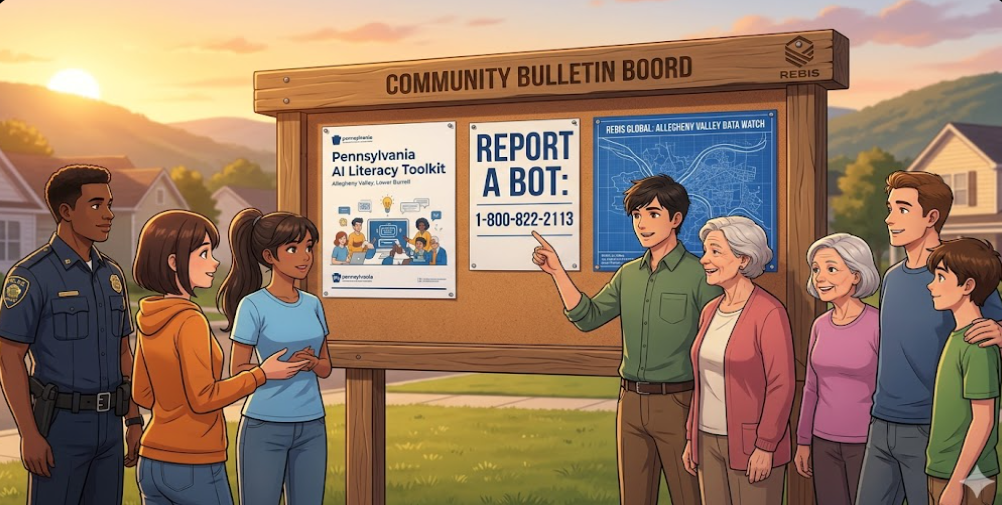
Pennsylvania’s AI movement empowering communities through AI literacy
Pull up a chair and let’s talk about the new digital fences Pennsylvania is building around our communities.
In the Allegheny Valley, we understand the value of a neighborhood watch. We know that looking out for one another is how we keep the streets safe and the state is finally applying that same common-sense logic to the world of Artificial Intelligence. Governor Shapiro and the Attorney General have essentially handed out a new manual for the digital age,
we are going to look at how these new tools are going to protect the people who get up and go to work every day.
The first major stone in this path is the creation of a direct line of defense called the "Report a Bot" hotline.
For a long time, the internet has felt like a wild frontier where anyone could set up a digital shop and claim to be an expert. But now, if you run into a bot claiming to be a doctor, a therapist, or a lawyer, you have a number to call at 1-800-822-2113. This isn't just an empty suggestion box or a wall where your complaints go to die. The AI Enforcement Task Force is already on the move, currently investigating about ten active cases where bots were caught practicing professional work without a license or lying to citizens. They are treating these as criminal fraud, meaning the state is finally putting teeth into the law to make sure these "digital builders" have the same permits the rest of us have to carry.
Alongside the hotline is the new AI Literacy Toolkit,
which has already been accessed thousands of times by people looking for straight answers (We will be placing a link to these resources on our website HERE). Think of this toolkit like a basic home maintenance manual. You don’t need to be an engineer to know when a pipe is leaking, and you shouldn’t need a computer science degree to know when an AI is trying to pick your pocket. The state put this together for everyone, with specific sections to help seniors spot those strange bank calls and to help parents keep an eye on what their kids are encountering online. It’s a solid win for transparency because it takes the "magic" out of the machine and puts the power of information back into the hands of the neighbors.
While we fully support this proactive push from the state, there is always room to make the neighborhood even safer. If we want to really strengthen this Toolkit, we should look toward what we at REBIS Lab call the
"License Plate" rule. Just like a contractor has to show their license number on the side of their truck, any professional bot should have to show exactly who built it and what its credentials are before a single word is typed. This simple addition would move us from just reporting the "bad actors" to verifying the "good ones" instantly. It’s about making sure that when someone in the Valley reaches out for help online, they know exactly who they are talking to.
At the end of the day, Pennsylvania is putting boots on the digital ground to clear out the junk and make sure the rules of the road are followed. This is the first step in a much larger journey to make sure the technology in our pockets actually serves our families and our town.
This series is just getting started, and next time, we’re going to step inside the digital classroom to talk about how these same rules are being used to protect our children and their data. For now, the message is simple: the state gave us the shovel, and it's up to us to do the work.
